



It’s 2020, and the future is now at McLarty Daniel Buick GMC, thanks to Buick and GMC vehicles with features that would have seemed the stuff of science fiction only a few years ago. As we say goodbye to the 2010s, we thought we’d take a look back at some of the technologies and innovations that really came into their own and saw widespread acceptance in the past decade. While not all of them were first introduced in the 2010s, most of the following items found their way into even many lower-priced vehicles over the past ten years, helping make driving easier, safer, more efficient and more fun.
We can’t wait to see what the next decade of innovation will bring to the vehicles we drive everyday. Want to get behind the wheel of the vehicles of the future you can drive right now? Stop in at…
McLarty Daniel Buick GMC, or check out our full selection of 2020 Buick and GMC vehicles online right now.
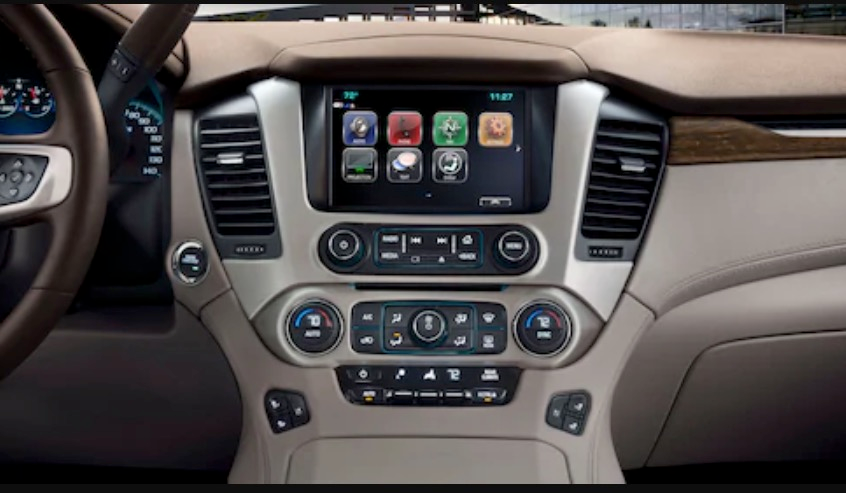
In-Dash Touchscreens: Once exclusively found in high-end luxury cars, the 2010s saw the widespread use of in-dash, high-definition touchscreens. These days, it’s rare to find a new vehicle without one. Much more than just another gadget, automotive touchscreens are a truly great innovation in motoring, with Buick and GMC vehicle screens giving access to everything from smartphone integration to navigation to fuel purchases without leaving the driver’s seat.
Hybrid and All-Electric Vehicles: There have been electric vehicles since literally the earliest days of motoring over 100 years ago, but hybrid and electric vehicles really came into their own in the 2010s as drivers concerned about the future of the planet (and looking to save money in an age where fuel costs may quickly spike) turned to gas-electric hybrids and full-electric vehicles as a realistic alternative to gasoline- and diesel-powered cars. Better battery technology, increased range and a growing network of fast recharging stations make an all-electric future of motoring look more likely every day.
Modern Turbocharging: Another old technology that really found its way to the mainstream in the 2010s, turbocharging was once confined to high-torque diesels and a handful of temperamental, ultra-high-performance gasoline racers. With manufacturers looking to squeeze more power from smaller displacement engines and less fuel, however, modern turbocharging really came into its own in the 2010s, helping smaller, fuel-efficient engines in everyday vehicles produce big power. Once rare, turbocharged engines can now be found in even reasonably-priced subcompact vehicles like the 2020 Buick Encore.
The Return of the Muscle Car: If you’ve a “gearhead,” chances are you’ve daydreamed about time-traveling back to the Golden Age of American muscle cars in the late 1960s, when anybody with a steady job could drop a few thousand bucks and go home with a fire-breathing muscle car. Horsepower fans got a second shot at factory street machine glory in the 2010s, however, as the muscle cars came roaring back better than ever. Thanks to modern computer-assisted engine design and engineering techniques, today’s muscle cars feature more speed and muscle than ever before, with today’s top-shelf performance cars producing more than 700 horsepower straight from the factory while using a lot less fuel, putting even the hottest 1960s muscle cars to shame.
“Smart” Cruise Control and Driver-Assistance Features: Once a hallmark of any futuristic movie worth its salt, cars that drive themselves without steering or braking input from a human driver are getting closer every day, and the 2010s saw the widespread introduction of several steps on the way to that goal, including features like lane-keeping assist, “smart” cruise control that can maintain a set distance between traffic ahead and even manage stop-and-go traffic if necessary, emergency automatic braking that can sense obstacles ahead and brake to lessen or avoid impacts, and even hands-free interstate driving in some models.
Connect with us


- September 2025
- August 2025
- March 2025
- January 2025
- September 2024
- August 2024
- July 2024
- May 2024
- April 2024
- March 2024
- February 2024
- January 2024
- October 2023
- September 2023
- August 2023
- July 2023
- June 2023
- May 2023
- April 2023
- December 2022
- June 2022
- May 2022
- February 2022
- November 2021
- October 2021
- September 2021
- August 2021
- July 2021
- June 2021
- May 2021
- April 2021
- March 2021
- February 2021
- January 2021
- December 2020
- November 2020
- October 2020
- September 2020
- August 2020
- July 2020
- June 2020
- May 2020
- April 2020
- March 2020
- February 2020
- January 2020
- December 2019
- November 2019
- October 2019
- September 2019
- August 2019
- July 2019
- June 2019
- May 2019
- April 2019
- March 2019
- February 2019
- January 2019
- December 2018
- November 2018
- October 2018
- September 2018
- August 2018
- July 2018
- June 2018
- November 21