



Blog / Bentonville Buick Dealer

6 QUESTIONS TO ASK BEFORE BUYING A CAR

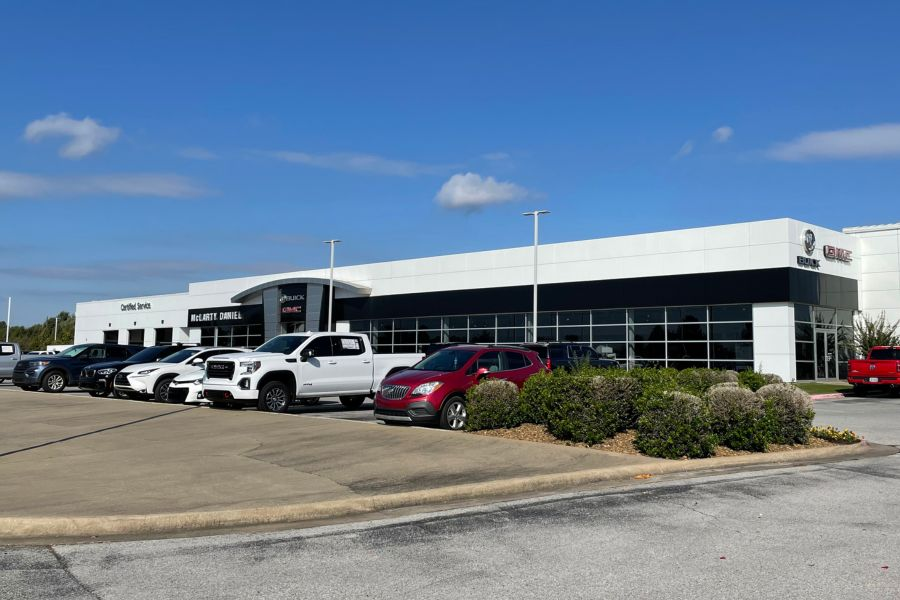
The front of McLarty Daniel Buick GMC in Bentonville, Arkansas

On the hunt for a new ride? If so, there are several good car questions you should ask yourself before making a decision — a vehicle is a significant investment! Whether you're browsing at McLarty Daniel Buick GMC in Bentonville or any other dealership, it's incredibly important to be well informed before you sign that dotted line. Here are six questions to ask at a car dealership:

Can I afford the monthly payment? 

Even if you find your dream car, you won’t be happy if your payments put major stress on your finances. Experts recommend that your car payment should be no more than 10-15% of your monthly take-home pay. Before committing, consider all your other expenses and financial obligations.

How much will maintenance cost?

Beyond just the sticker price.....

you'll want to factor in maintenance costs. Some vehicles incur higher repair costs than others, so it's wise to research the reliability and common service issues of the car you're eyeing. Also, find out where the vehicle can be serviced — does it require maintenance from a specialized shop or dealership?

Is this vehicle congruent with my lifestyle?

It might seem obvious, but your vehicle should meet your specific needs. For instance, if you have a large family, a spacious SUV might be more suitable than a compact coupe! Consider factors like seating capacity, storage space, fuel efficiency, and off-road abilities to make sure the vehicle can accommodate your day-to-day life.

Find Out Which Buick Model Fits Your Lifestyle

What is the vehicle’s service history?

This consideration is crucial, especially when buying used. Before finalizing your decision, ask about the car's maintenance records, any previous accidents, and the number of previous owners. A comprehensive understanding of the vehicle's past can help you avoid future headaches.

Does this vehicle hold its value?

Choosing a vehicle with strong resale value can maximize your investment and provide financial security down the road. Certain models depreciate slower than others, so it's worth researching which cars retain their value best in the market.

Can I take a test drive?

Finally, don't forget to schedule a test drive! At the end of the day, you should have the vehicle you want. Your new car should meet all your expectations in terms of comfort, performance, and overall driving experience. Take your time during the test drive to thoroughly evaluate the vehicle and confirm that it fits your preferences.

Browse Our New Vehicles Here

We hope this checklist will help you in your car shopping journey! By addressing key factors like affordability, compatibility, service history, and more, you'll be better equipped to find the perfect car for your needs. For exceptional customer service and an unbeatable selection, start your search at McLarty Daniel Buick GMC in Bentonville, Arkansas!

Posted in:

Related Posts

Car Keys

BUYING VS. LEASING A VEHICLE: WHAT’S THE DIFFERENCE?

Buying versus leasing a new vehicle are similar but very different approaches to vehicle ownership. While buying a vehicle gives you complete control, leasing can be a great option if you don’t currently have the funds to purchase a new vehicle from a dealership. more We see a lot of confusion on the internet over these two terms, with many people thinking they mean the same thing. We’re here to help break it down for you and clear up any misconceptions you may have! Let’s look at buying versus leasing a vehicle from a dealership in terms of ownership, cost, and flexibility. OWNERSHIP One of the most significant differences between leasing and buying is ownership. When you buy a vehicle from a dealership, whether outright or through financing, you own it and can do anything you want with that vehicle. Even when you finance and make monthly payments on your vehicle, you can customize it and use it however you want. When you reach the end of your term agreements, you’ll fully own the vehicle, but in the meantime, that doesn’t prevent you from treating it like you already own it. Leasing, however, is more like borrowing a vehicle from a friend or family member rather than owning it. You choose to pay for the vehicle for a set period of time—usually two to four years—but you must return the vehicle to the dealership after your lease expires. However, if you really like the vehicle, you have the option to buy it; this is called a lease-to-own program. Although some leasees—the person the vehicle is leased to—decide not to purchase the vehicle at the end of their term, many do since dealerships often offer discounted rates for leased vehicles. RED FLAGS OF CAR SHOPPING COST Cost is another big factor to consider when choosing between leasing and buying a vehicle. Buying a vehicle involves more considerable investment and higher upfront costs. The costs can include a down payment, taxes, registration fees, and other ownership fees not included with leased vehicles. Buying a vehicle also involves higher monthly payments since you are paying off the listed price of the vehicle plus any interest added during your financing agreement. Leasing, however, gives you lower monthly payments. There are usually mileage restrictions when it comes to returning the vehicle, so be sure to check your mileage and not go over, or you could face financial penalties. Another big cost factor to consider is vehicle repairs and maintenance. Buying a vehicle requires you to make any payments for repairs or maintenance out of pocket, and while you may not have to do much the first few years, you will definitely have to make more costly repairs as the vehicle gets older. When you lease, you are renting the vehicle during the early stages of its lifecycle, meaning there is less of a chance you will have to make a costly repair. Some leasing terms also include warranties for routine services during your lease, reducing out-of-pocket costs. WE OFFER MARKET-BASED PRICING FLEXIBILITY Flexibility can mean different things to drivers. Do you want more flexibility to customize your vehicle, or do you like the freedom not to be stuck with a vehicle long-term? Buying a vehicle gives you greater flexibility to customize and mod it with aftermarket accessories like roof racks or a new exterior paint job. With a leased vehicle, you are not allowed to make major changes to its look and feel. Often, a modification not approved by a dealership will result in an immediate termination of the lease agreement or significant financial penalties. However, the flexibility to switch vehicles as often as you like is a key advantage of leasing a new vehicle. Do you love trying the latest technology or driving the newest and fastest vehicles? When you lease, you open up your options to cars, trucks, SUVs and even EVs that you might not be able to afford otherwise. If you love to be on the bleeding edge of technology, especially in the emerging EV and hybrid vehicle market, then leasing a vehicle is the right choice for your lifestyle. SHOP NEW VEHICLES BUY OR LEASE FROM MCLARTY DANIEL IN BENTONVILLE, ARKANSAS Interested in learning more about buying versus leasing a vehicle? Our sales and financial experts at McLarty Daniel Buick GMC in Bentonville, Arkansas, can help you demystify the options and steer you toward the right choice. Visit us at 2517 SE Best Lane in Bentonville, or call (866) 812-3307 to speak with a sales representative. We’re ready to help!

Three red flags blowing in the wind

THE RED FLAGS OF CAR SHOPPING

Red flags have been used throughout history to signify danger. From sailors warning of treacherous waters to firefighters signaling imminent threats, red flags have served as a universal symbol of caution. In modern times, the term has taken on a more metaphorical meaning, often referring to behaviors that hint at deeper issues or nefarious intentions. For instance, if someone is 45 minutes late to a first date without apologizing, that’s a red flag! The car-shopping process, unfortunately, can be full of red flags. There are plenty of shady sellers out there looking to take advantage of unsuspecting buyers. At McLarty Daniel Buick GMC in Bentonville, Arkansas, we want to help everyone learn to spot these red flags and avoid potential pitfalls. Keep reading to discover the most common red flags you should be aware of when shopping for your next vehicle. more Rust: The Secret Menace An important red flag to look out for when inspecting a used car is rust. Even the smallest amount of rust can spread quickly and cause significant damage to a vehicle’s structural integrity. When checking a car, be thorough — don’t just examine the body panels. Pay close attention to less obvious areas like under the wheel arches, between the door panels, and around the trunk. Questions to Ask Yourself Before Buying a Car Title Issues: What Are They Hiding? When buying a car from an independent seller or a smaller dealership, always confirm that there are no issues with the title. The title is a crucial document that proves ownership and provides essential information about the vehicle. If the seller hesitates to produce the title or offers excuses, that’s a major red flag. Additionally, you should be very cautious if the title comes from a different state or lists an incorrect VIN. Lack of Vehicle History: A Paper Trail of Problems A vehicle history report is another crucial element when purchasing a used car. This report provides valuable information about previous accidents, repairs, and ownership history. If a seller is unable or unwilling to provide this report, it’s likely because they’re hiding something. A lack of transparency regarding a vehicle’s history often points to significant past damage, whether from accidents or other issues. What’s Included on a Carfax Report Test Driving Troubles: The Proof is in the Drive Never skip the test drive when buying a car. This is your opportunity to get a feel for the vehicle and identify any potential mechanical issues. During the test drive, pay close attention to how the car handles. Delayed braking, unusual engine noises, rough suspension, or strange odors are all red flags. These issues could signal deeper mechanical problems that may be costly to fix. If anything feels off during the test drive, it’s best to walk away. Too Good to Be True: Beware of Big Bargains If a deal seems too good to be true, it probably is. While everyone loves a bargain, a vehicle priced significantly below market value often has hidden issues. Whether it’s mechanical problems, a salvage title, or other undisclosed issues, there’s always a reason for a drastically reduced price. Do your homework and research the average market price for similar vehicles. We Offer Market-Based Pricing Outstanding Recalls: Safety First Before committing to a purchase, check online to see if the make and model of the vehicle have any outstanding recalls. Recalls are issued for safety reasons, and if a seller hasn’t bothered to address them, it’s a sign that the vehicle hasn’t been properly maintained. Ignoring recalls could be dangerous for you and your passengers, so it’s crucial to resolve these before you buy. Trust the Experts at McLarty Daniel We hope this guide helps you recognize red flags and avoid any bad situations during your car shopping journey. To steer clear of these pitfalls and work with a dealer you can trust, visit us at McLarty Daniel Buick GMC in Bentonville, Arkansas! With decades of experience and thousands of satisfied customers, McLarty Daniel is a name you can rely on for your next vehicle purchase. Start Browsing Our Lot Here

Woman frustrated by a rude driver

CAN YOU PASS THIS DRIVING ETIQUETTE QUIZ?

Have you ever found yourself saying, “Who taught you how to drive?!?” Rude drivers are not only frustrating, but inconsiderate behavior can be extremely dangerous on the road. At McLarty Daniel Buick GMC in Bentonville, Arkansas, we want our community to be as safe and friendly as possible. Proper driving etiquette contributes to a smoother and more pleasant driving experience for all! McLarty Daniel Offers Market-Based Pricing What is driving etiquette? This term refers to the courteous behaviors and unwritten rules that guide interactions between drivers on the road. Whether you're a seasoned driver or just starting out, it’s important to keep your knowledge of basic driving etiquette up to date. So, buckle up and get ready to take our quick driving etiquette quiz! more How many seconds of travel... time should there be between your vehicle and the vehicle in front of you? A. One second B. Three seconds C. Five seconds D. Ten seconds Answer: Three seconds. When following a vehicle, it's crucial to maintain a safe distance. Start counting when the vehicle in front of you passes a nearby landmark, and if it takes less than three seconds for you to pass the same spot, you should increase your following distance. Who has the right of way when merging onto the highway? A. Drivers merging onto the highway B. Drivers already on the highway C. It depends on the situation D. None of the above Answer: Drivers already on the highway. It's the responsibility of the merging vehicle to adjust its speed and merge safely into traffic. However, giving merging vehicles extra room whenever possible is a courteous gesture. When should you use the inside lane of a two-lane roundabout? A. When taking the first turn B. When passing another vehicle C. When taking the third or fourth turn D. You should always use the inside lane Answer: When taking the third or fourth turn. If you are simply turning right or going straight through, you should only use the outside lane. It can be dangerous to change lanes inside the roundabout! Read About the Iconic Buick Regal Grand National At a four-way stop, when should you give up the right of way and let someone else go in front of you? A. Whenever possible B. When you are turning left and the other vehicle is going straight C. It depends on the time of day D. Never Answer: Never. You should never break the order of right of way in an attempt to be polite. This can cause confusion, creating more danger and inconvenience. Unless there is an emergency vehicle present, you should always pass through a four-way stop when it’s your turn. How far ahead of your turn should you activate your turn signals? A. 10 feet B. 50 feet C. 100 feet D. 250 feet Answer: 100 feet. Activating your turn signals too early or too late can confuse other drivers, so signaling approximately 100 feet before your turn gives them adequate time to react. We hope you found this quiz both informative and enjoyable. Remember, practicing these tips not only promotes good etiquette, but overall safety on the road! At McLarty Daniel Buick GMC in Bentonville, Arkansas, we're committed to helping our customers stay safe every time they drive. Stop by our lot to test drive the newest vehicles and see their high-tech safety features in action! Find a New Vehicle Today